Jungle Biophysics Lab
Study the Physics of Life in the Amazon Rainforest
Applications Now Open!
Application Deadline: February 15, 2027
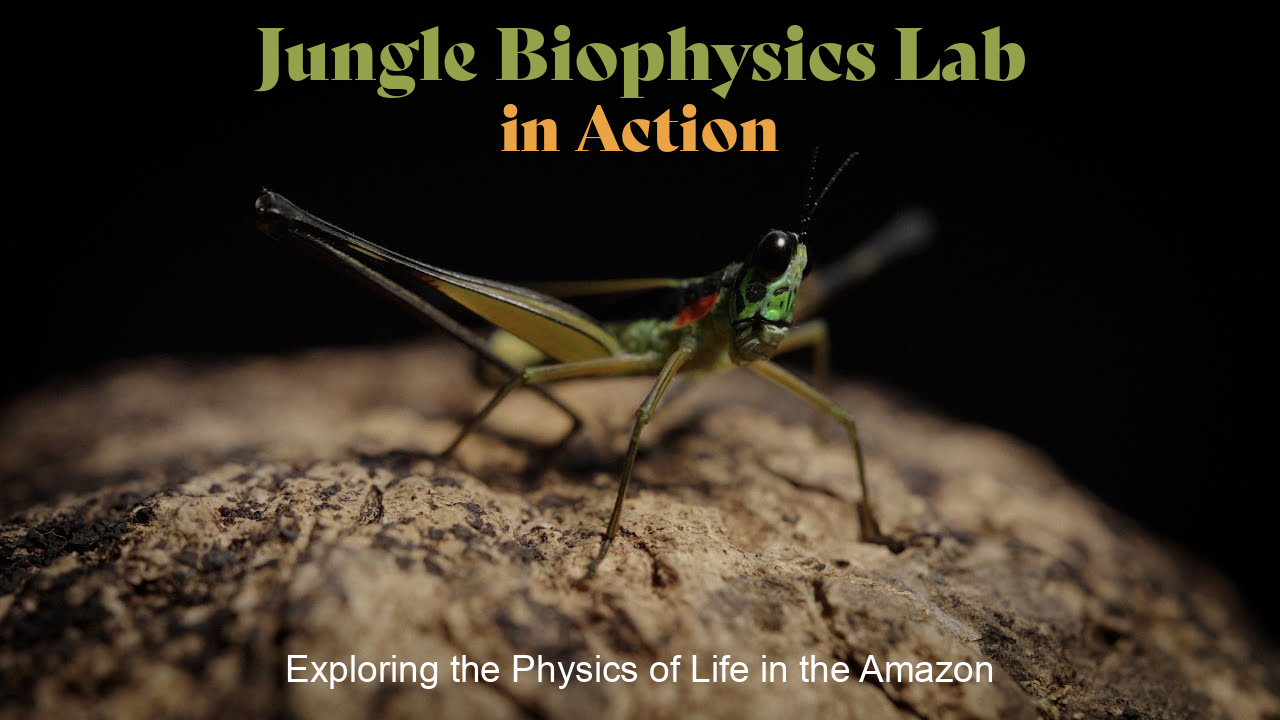
What is this program?
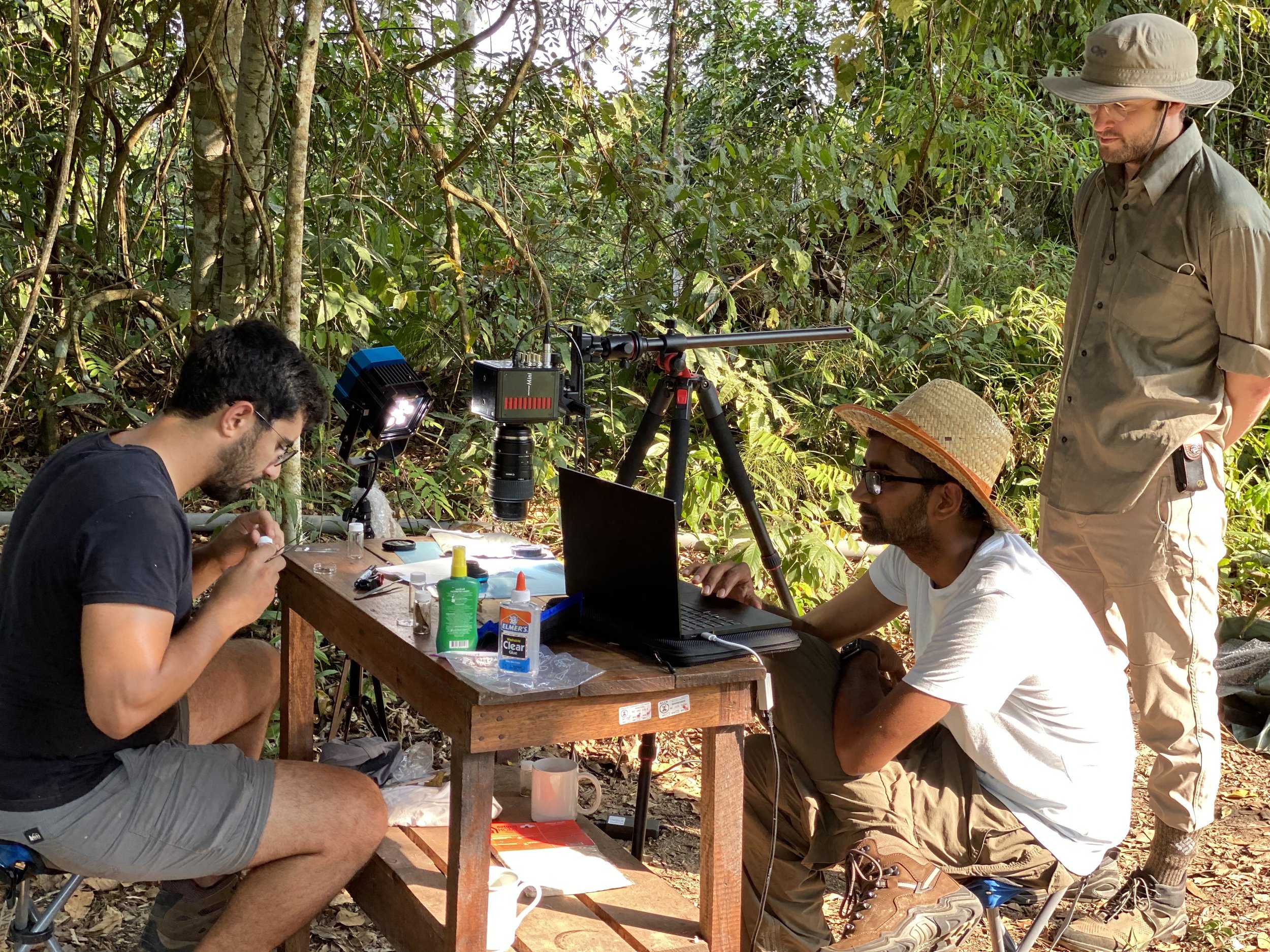
This is a two-week field research experience for early-career scientists (from advanced undergraduates to postdocs) from around the world. Participants will explore the physics of life in the Peruvian Amazon rainforest, investigating how organisms move, jump, fly, swim, capture prey, build structures, sense their surroundings, regulate temperature, transport fluids, and interact with their environment—or any other question about the physics of living systems.
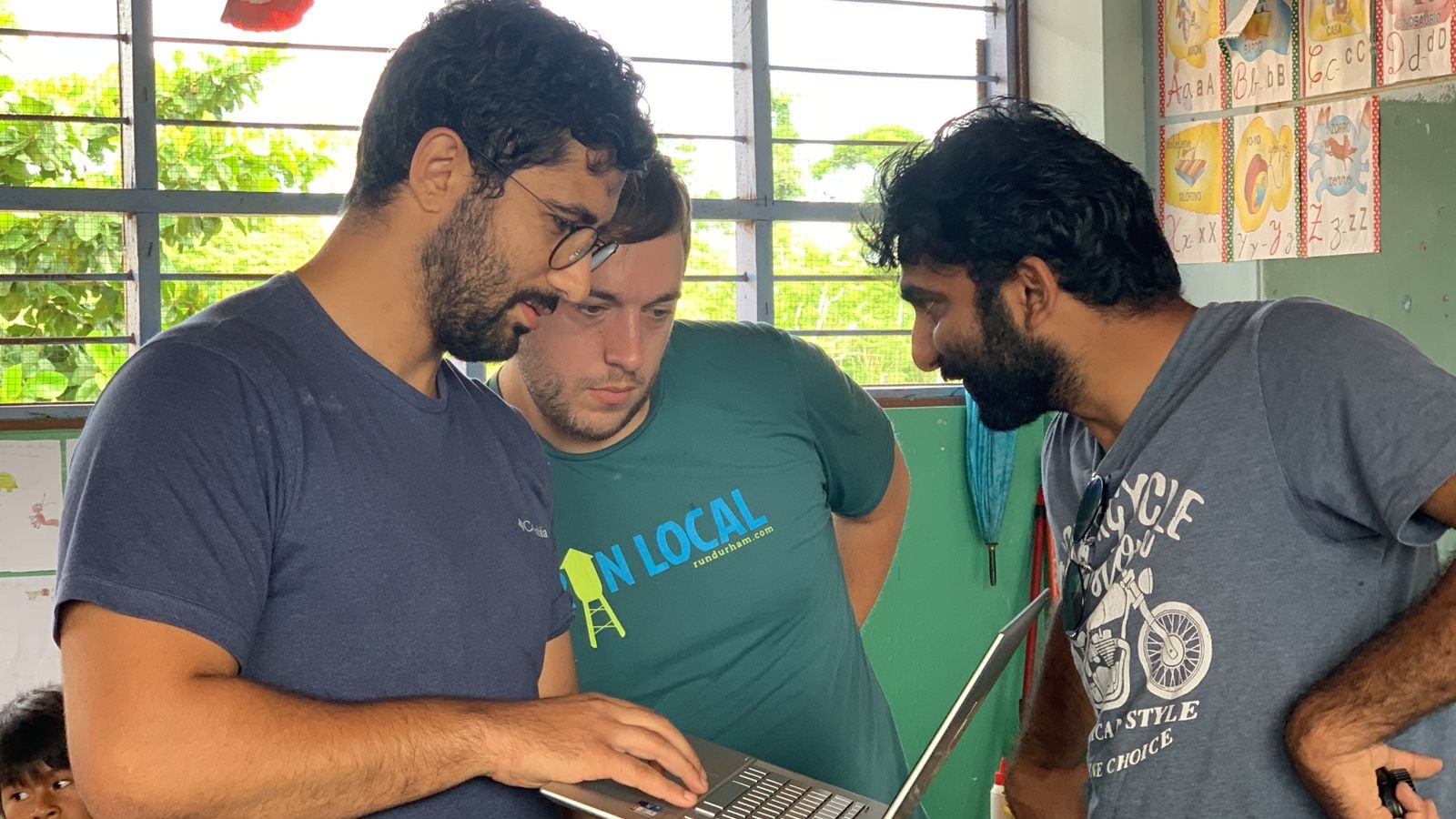
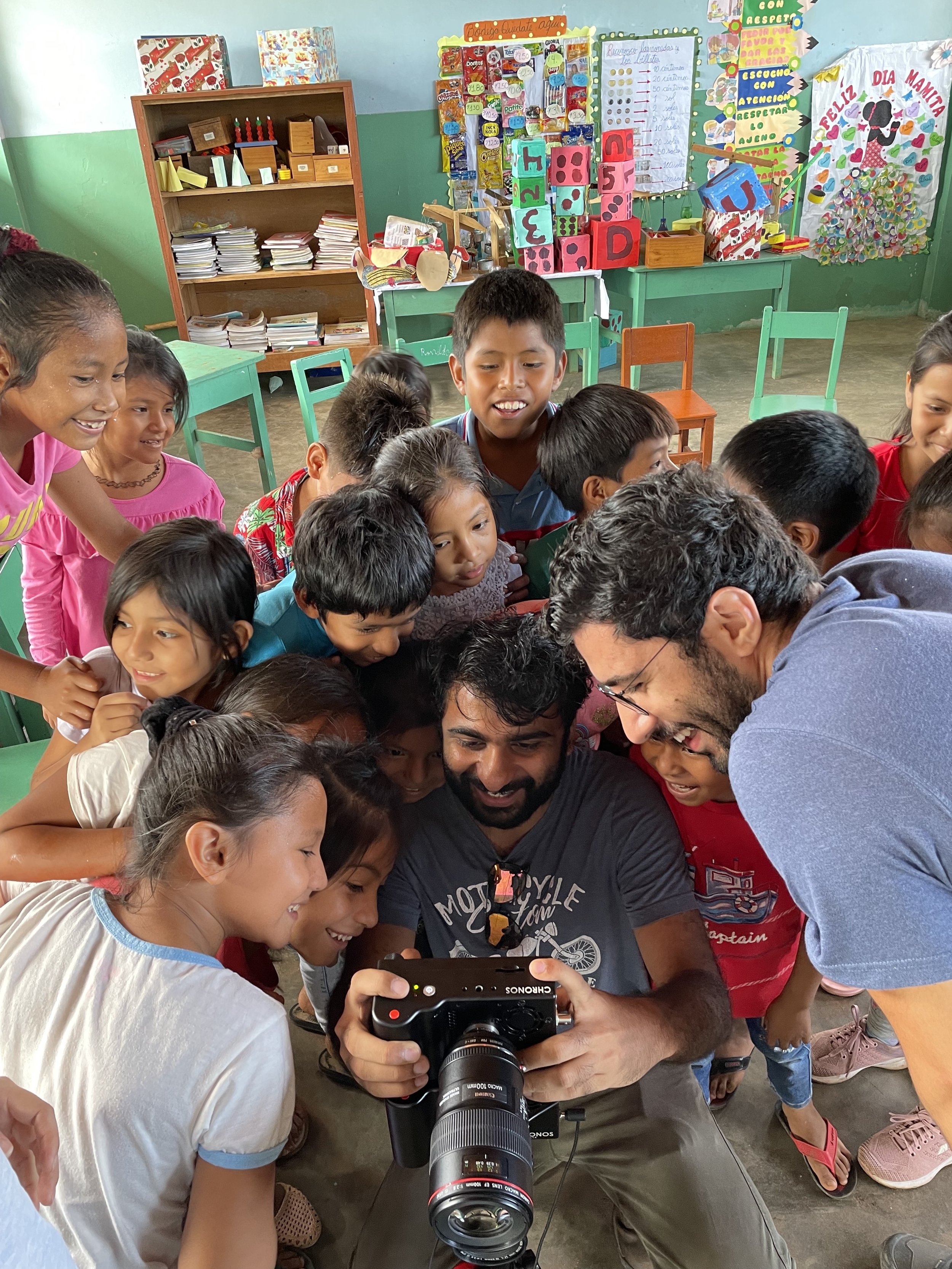
Working alongside an international team of scientists and experienced field researchers, each participant will develop an independent research project, from formulating a scientific question and designing experiments to conducting fieldwork, collecting and analyzing data, and interpreting their findings. Throughout the program, participants will gain hands-on field research experience, collaborate across scientific disciplines, and engage in science outreach activities with local Peruvian schools.


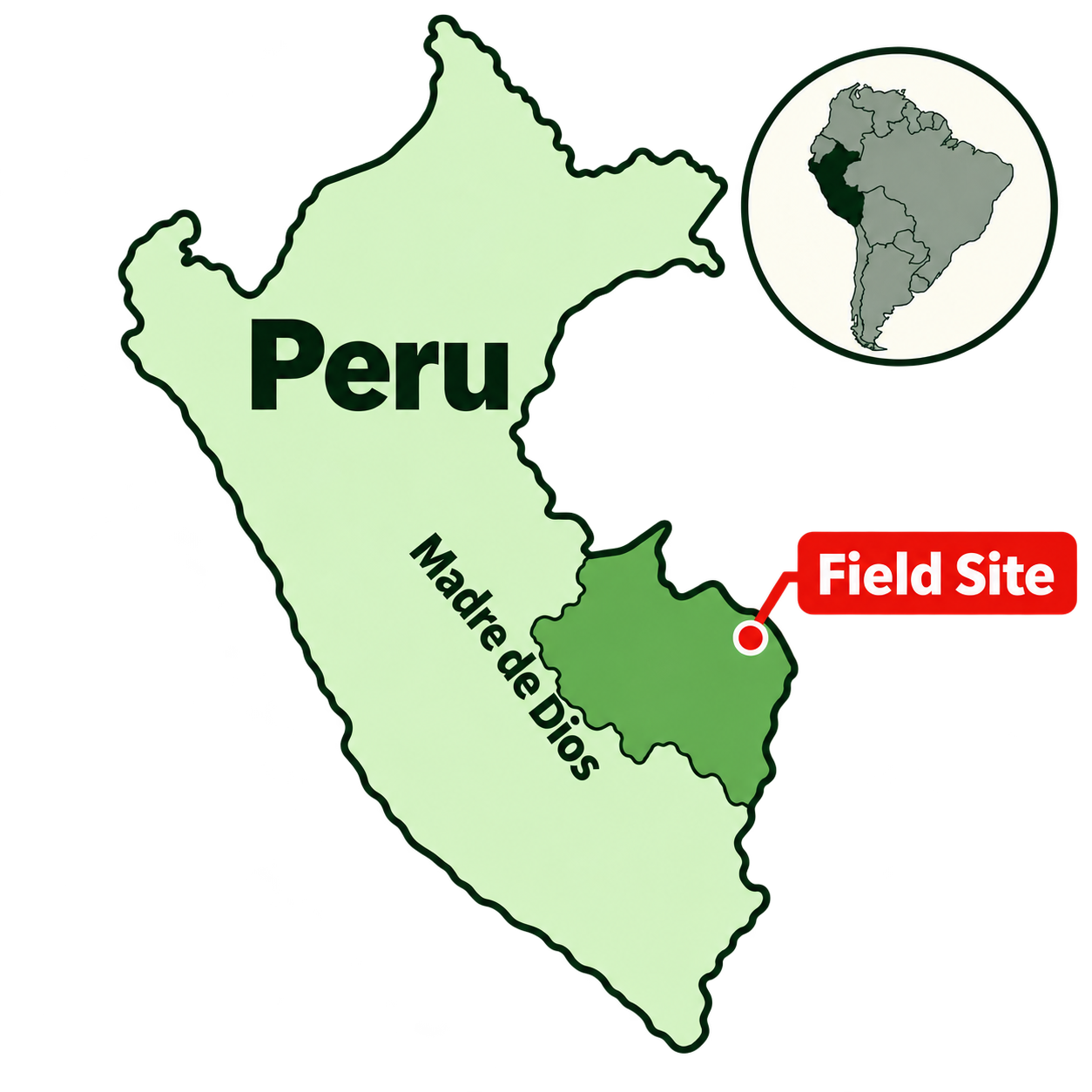
Our Field Station - Finca Las Piedras
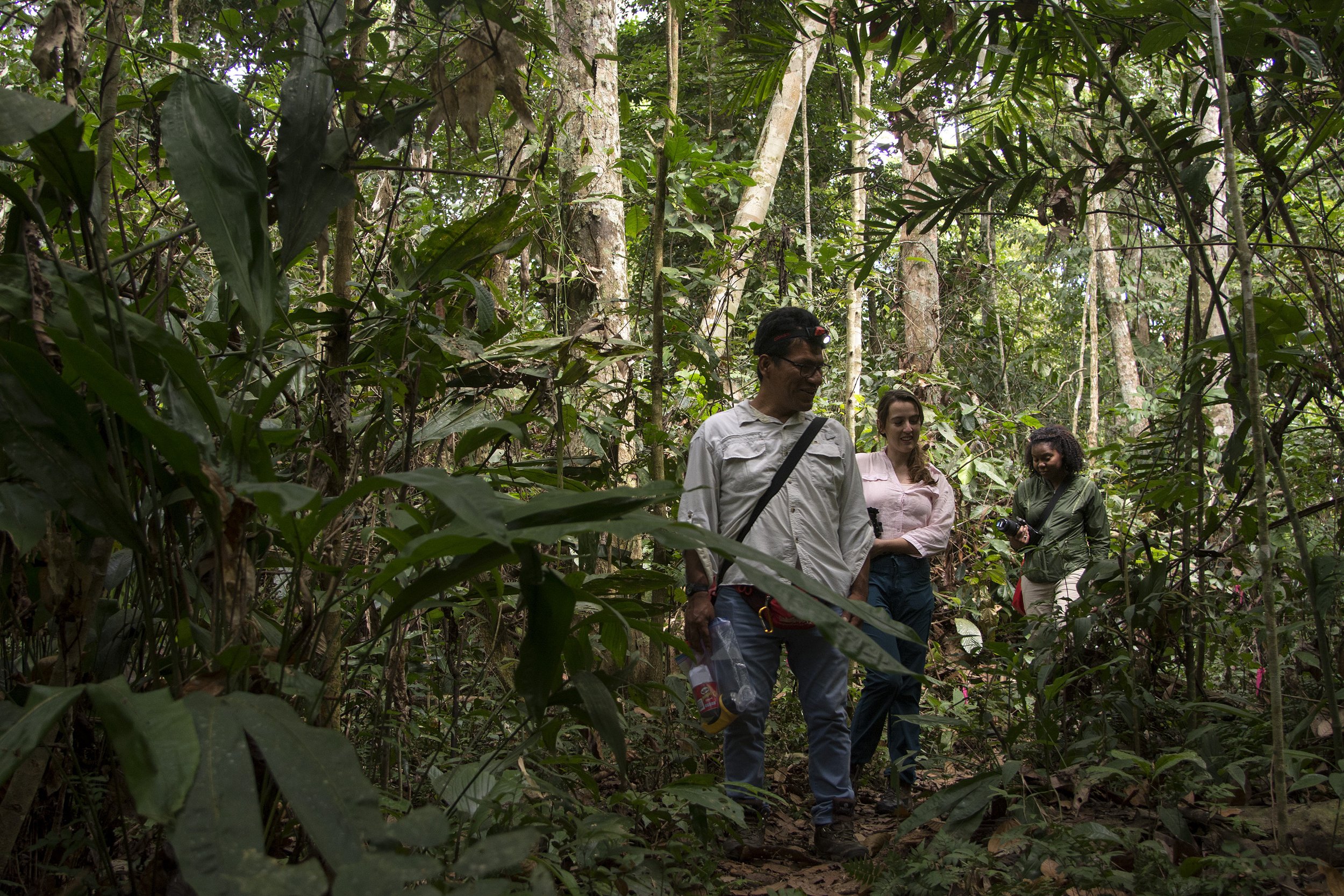
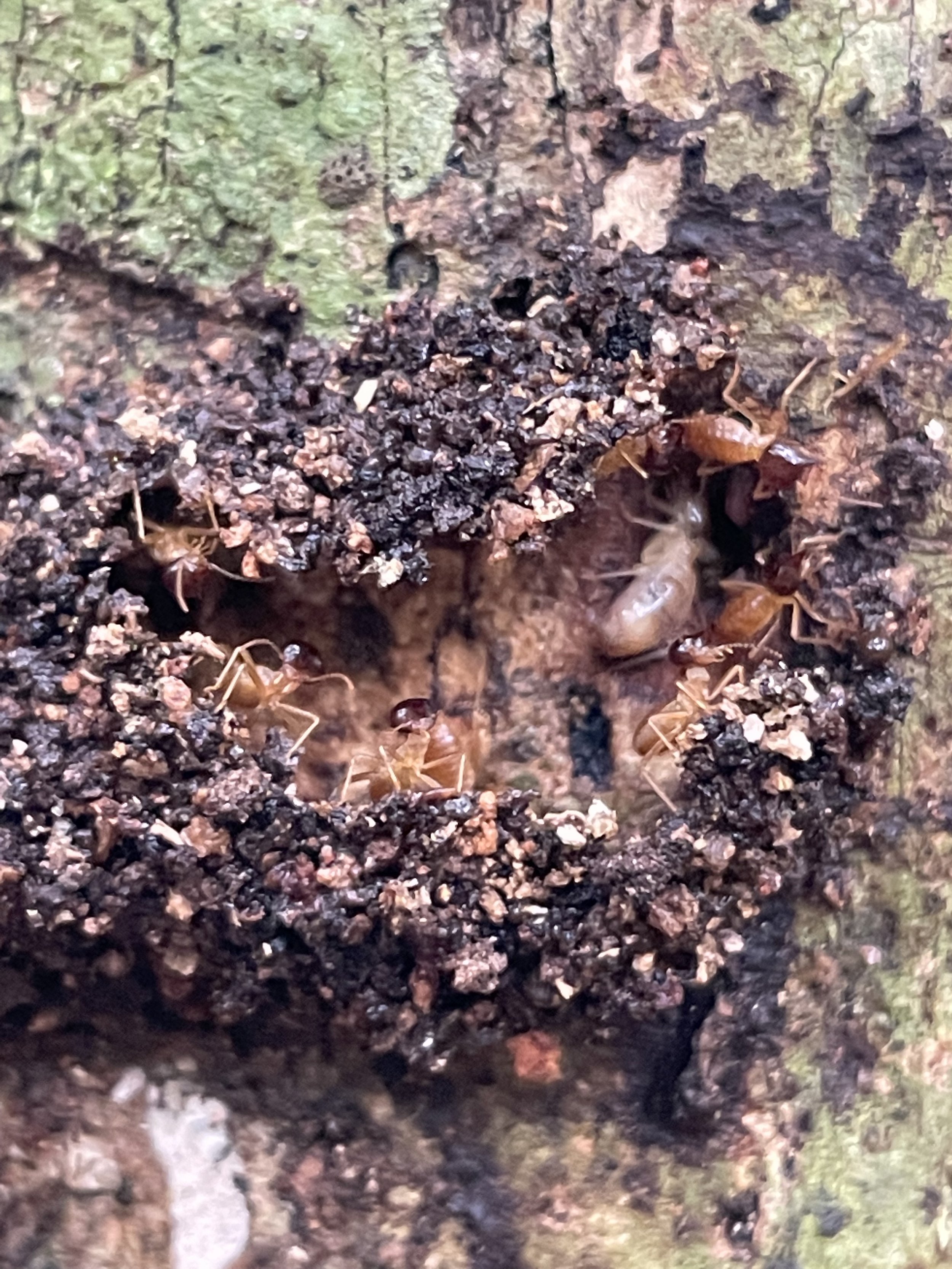
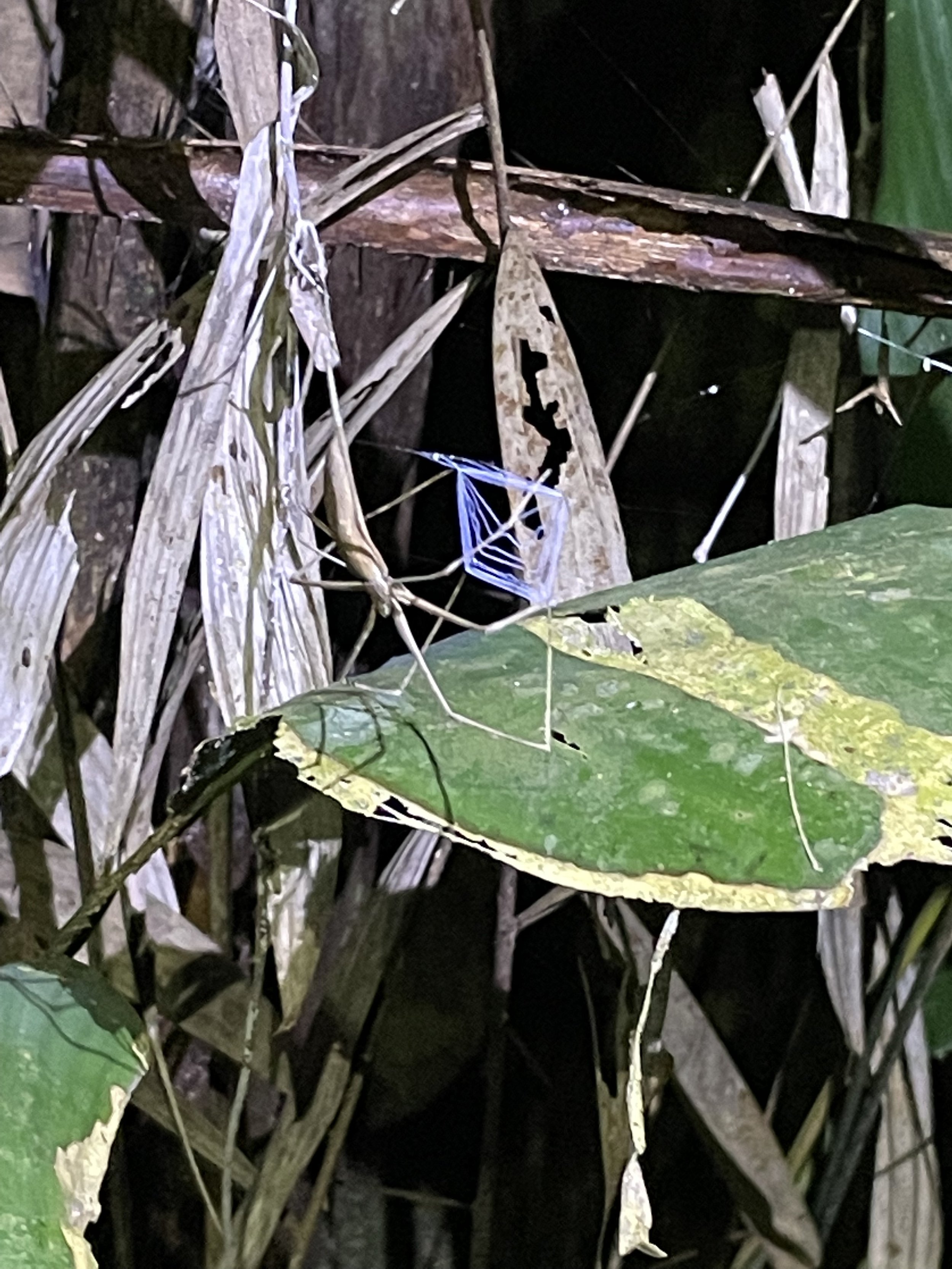
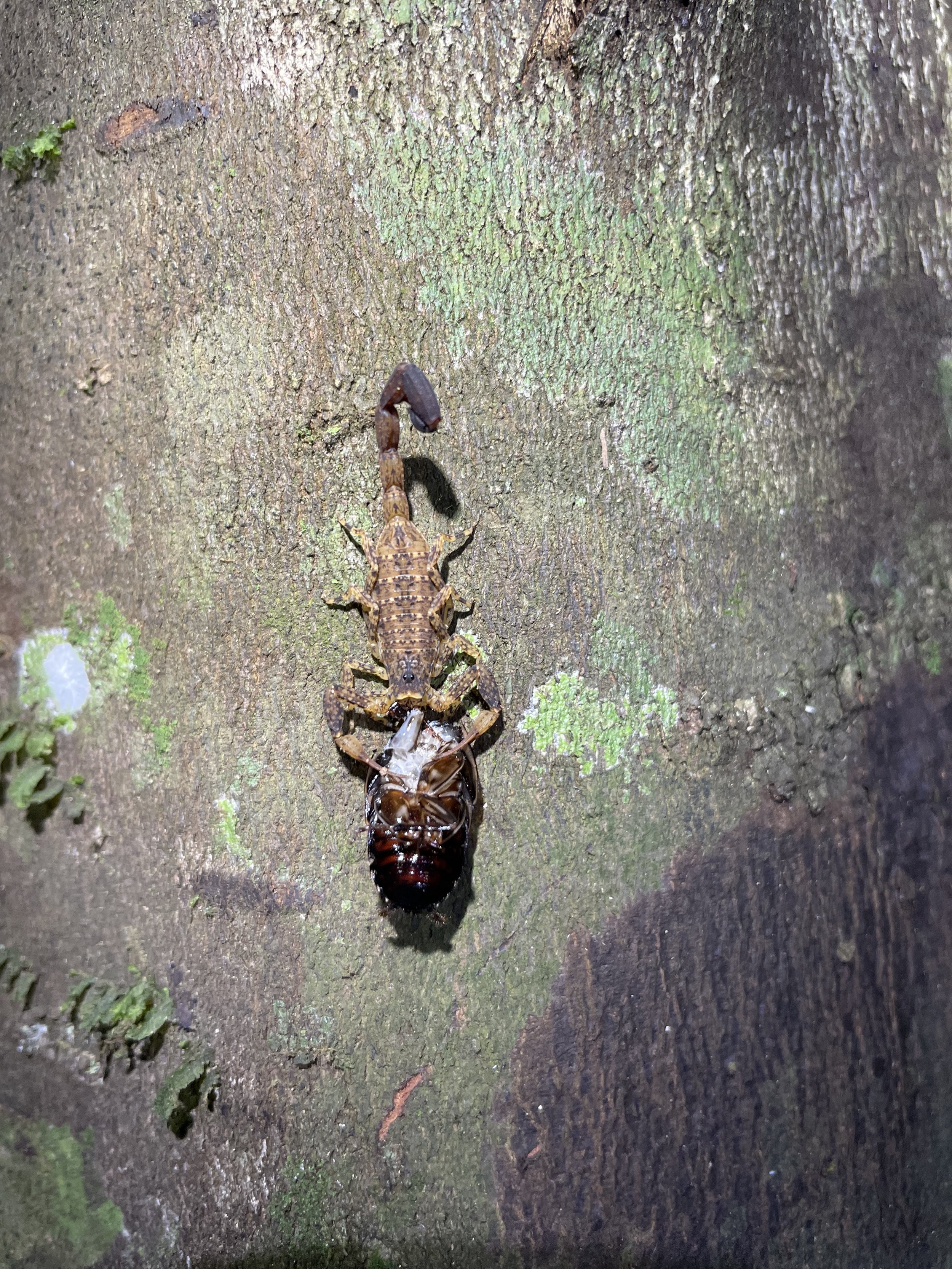
JBL takes place at Finca Las Piedras, a research station in the Amazon rainforest of southeastern Peru, one of the most biodiverse regions on Earth. More than 10 km of trails wind through diverse habitats, from terra firme rainforest to flooded aguajales (palm swamps). These forests teem with life, from ants, spiders, and butterflies to frogs, snakes, lizards, and an extraordinary diversity of birds and mammals. With thousands of species documented in the area, the station provides an ideal natural laboratory for exploring the physics of life in the wild.
Applications Now Open!
Application Deadline: February 15, 2027
Acceptance Notifications: By March 15, 2027
Program Dates: July 25 – August 7, 2027
Program Cost: $2,500 USD
Scholarships available for outstanding candidates.
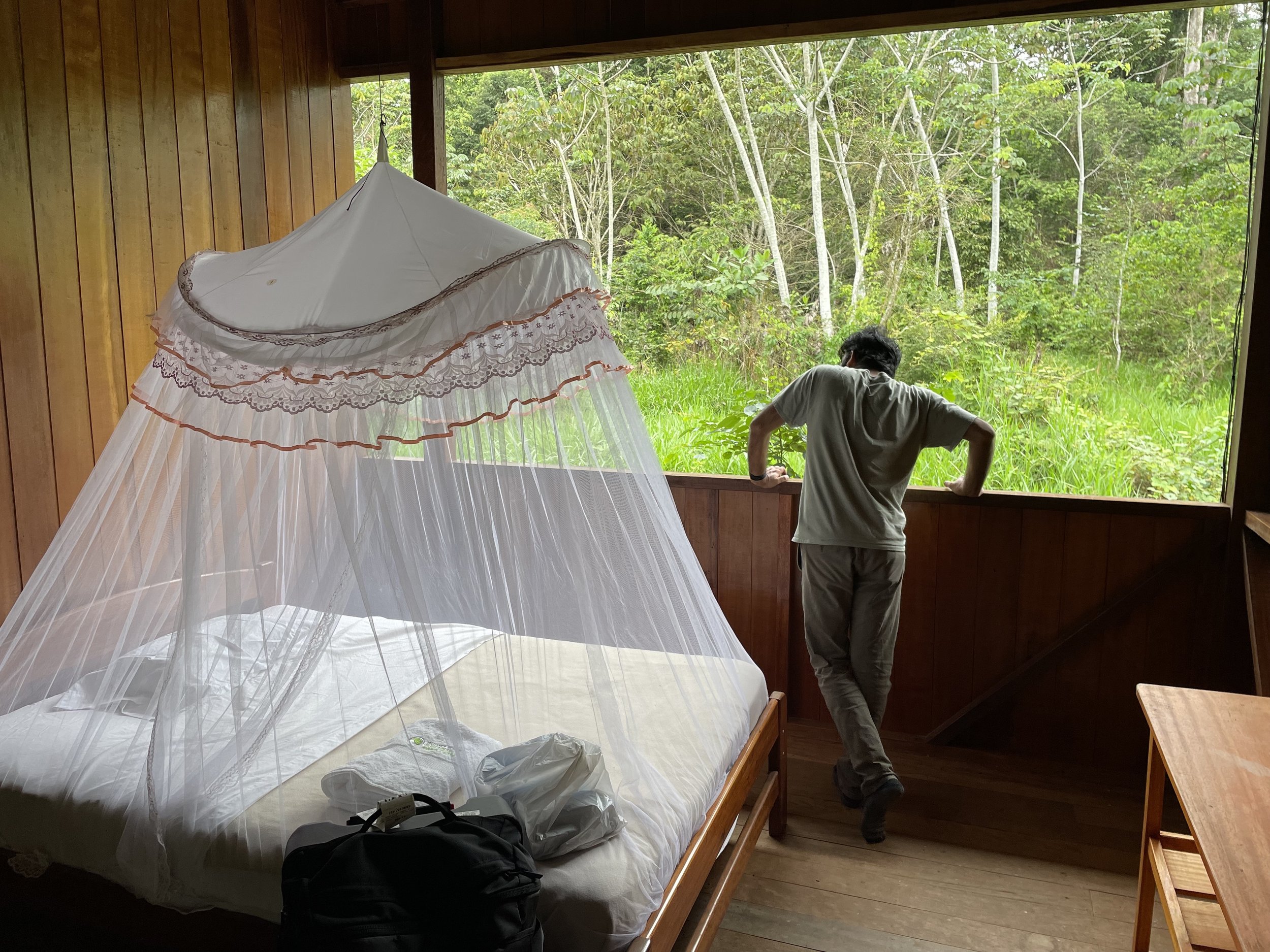
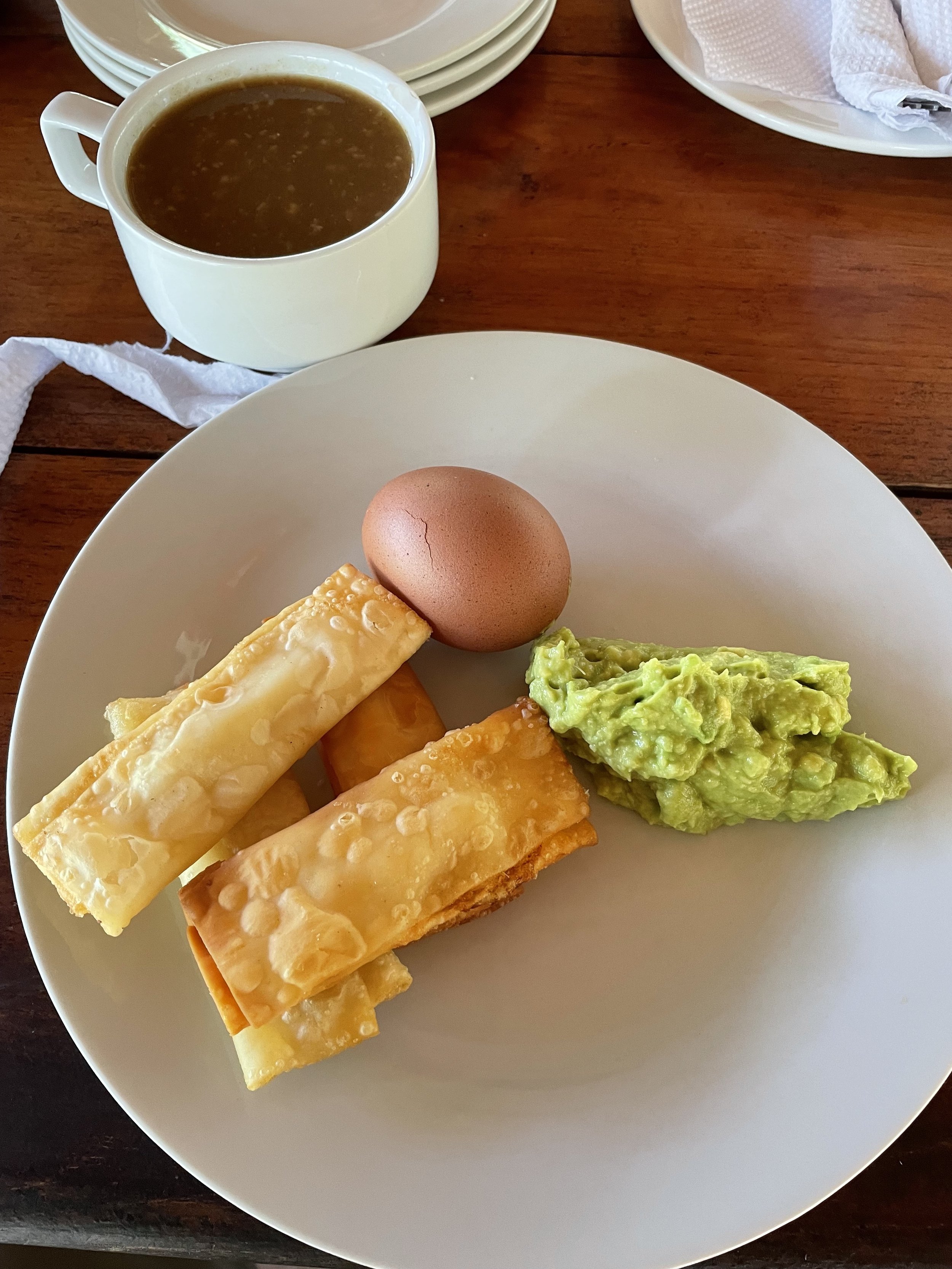
Included: Accommodation, full board, scientific mentorship, research support, and equipment.
Not Included: Flights, visas, personal insurance, and personal expenses.
Publications from previous programs
What do I need to apply?
1) Research Proposal (1 page) — Present a potential research question and experimental approach.
The proposal is not binding - we are interested in your curiosity, creativity, and ability to develop a research plan.
2) Statement of interest (1 page) - Describe your scientific background, research interests, motivation for joining JBL, and what you hope to gain from and contribute to the experience.
2) Curriculum Vitae (maximum 2 pages).
3) Two Recommendation Letters - Submitted confidentially by your referees, preferably including one from your current supervisor or PI.
Want to be notified when we release applications and deadlines, along with other news?
Frequently Asked Questions
-
The program fee is $2,500 USD, payable upon acceptance. This covers accommodation, full board, scientific mentorship, research support, and equipment.
Participants are responsible for flights, visas, personal insurance, and personal expenses. These additional costs are estimated at $1,000–$2,500 USD, but will vary depending on each participant's travel arrangements and individual circumstances.
-
A limited number of scholarships may be awarded to outstanding applicants who would otherwise be unable to participate due to financial constraints. Scholarships can partially or fully cover the $2,500 program fee, but do not cover flights, visas, insurance, or personal expenses.
Applicants will be asked to indicate the amount of financial support they require in the application form. We strongly encourage applicants to seek additional funding from their universities, research groups, or other sources.
-
We look for outstanding, curious, and motivated minds with the ability to develop thoughtful research questions. The short research proposal helps us evaluate how you translate scientific curiosity into a testable question and a feasible research plan.
The proposal is not binding—we will work with participants to refine their ideas and develop contingency plans, recognizing that field research is unpredictable and new opportunities may arise.
-
No! JBL brings together a multidisciplinary team of scientists, and part of the experience is learning how to conduct research in the field. Whatever your scientific background, you'll have something valuable to contribute, even if you've never done fieldwork before.
-
Our lab has been visiting Finca Las Piedras for several years, and we work closely with local organizations in Peru to conduct field research as safely as possible. As with any tropical field expedition, there are environmental and health risks that require appropriate preparation.
We strongly recommend consulting a travel health specialist well before departure to discuss recommended vaccinations, including yellow fever, and precautions against mosquito-borne diseases such as malaria and dengue. Please refer to the CDC's travel health recommendations for Peru for up-to-date guidance.
-
We will do our best to accommodate dietary restrictions and lodging needs. Please contact us in advance so we can coordinate with the field station and discuss what arrangements are possible.
-
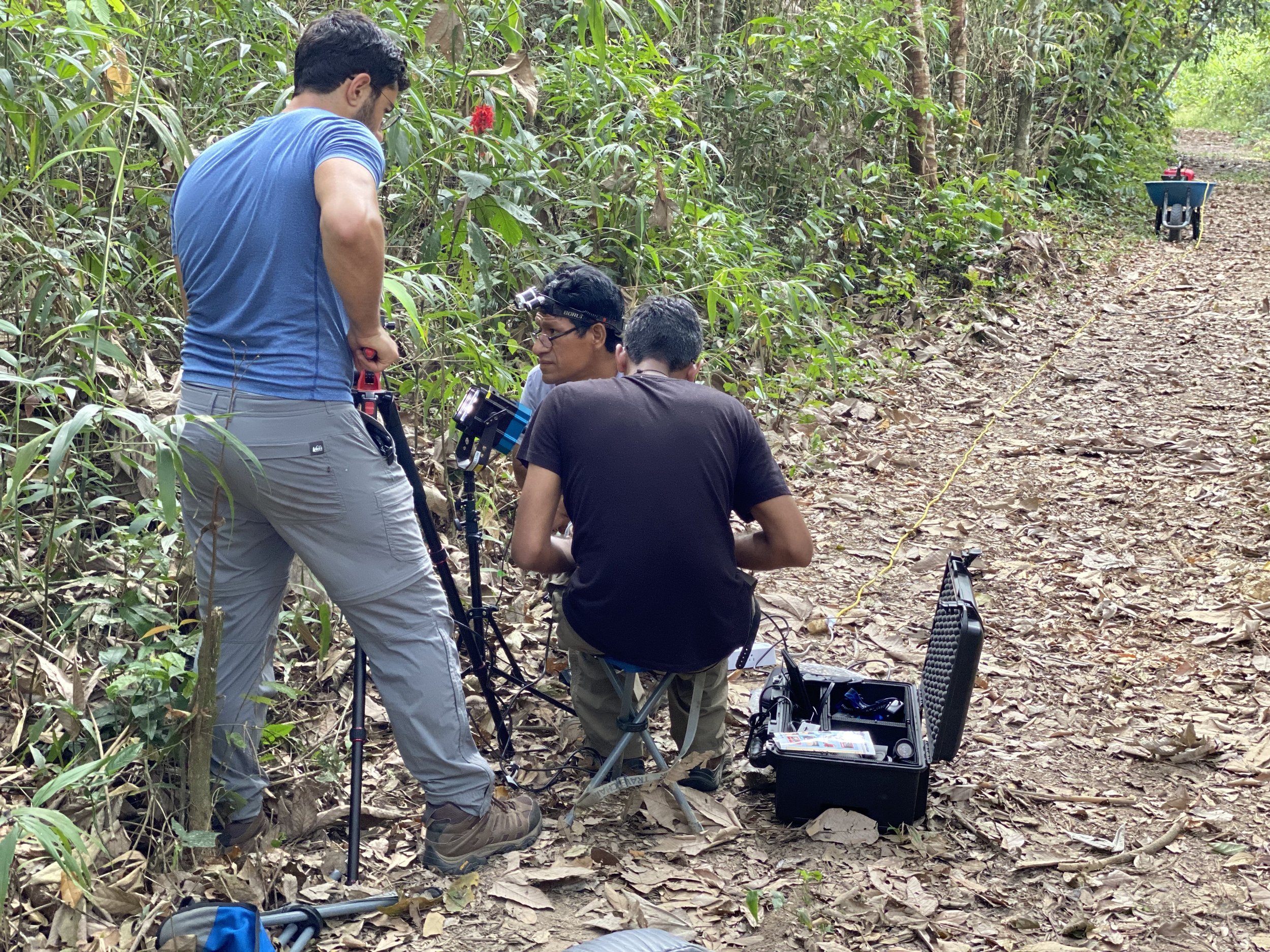
Our lab regularly brings high-speed and high-definition cameras, GoPros, lasers and particles for PIV, and other scientific instruments to the field. Participants will also have access to microscopes and 3D printers. Your research proposal will help us identify any additional equipment your project may require. We encourage you to discuss your ideas with us, and we'll work together to find a way to make them happen!
-
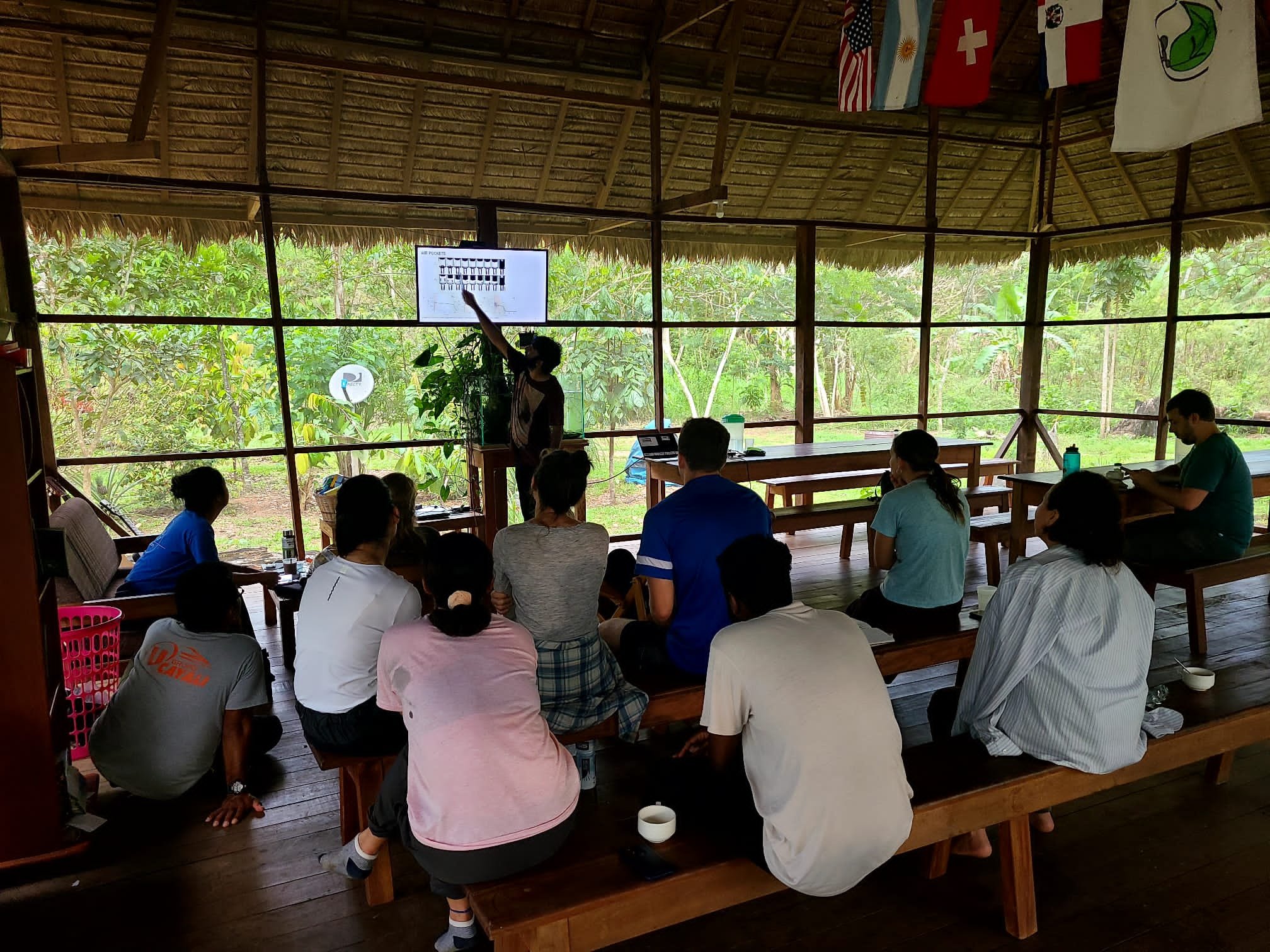
Before the program, we will hold online meetings to prepare participants for field research, including introductions to the Amazon rainforest, field safety, research planning, and coordination of scientific equipment.
After the program, we encourage participants to continue developing their projects toward scientific publications and conference presentations. Our team will work with interested participants to support further analysis, research development, and dissemination of their findings.
More Questions about the program?
Please email Dr. dror malul at dror.malul@colorado.edu
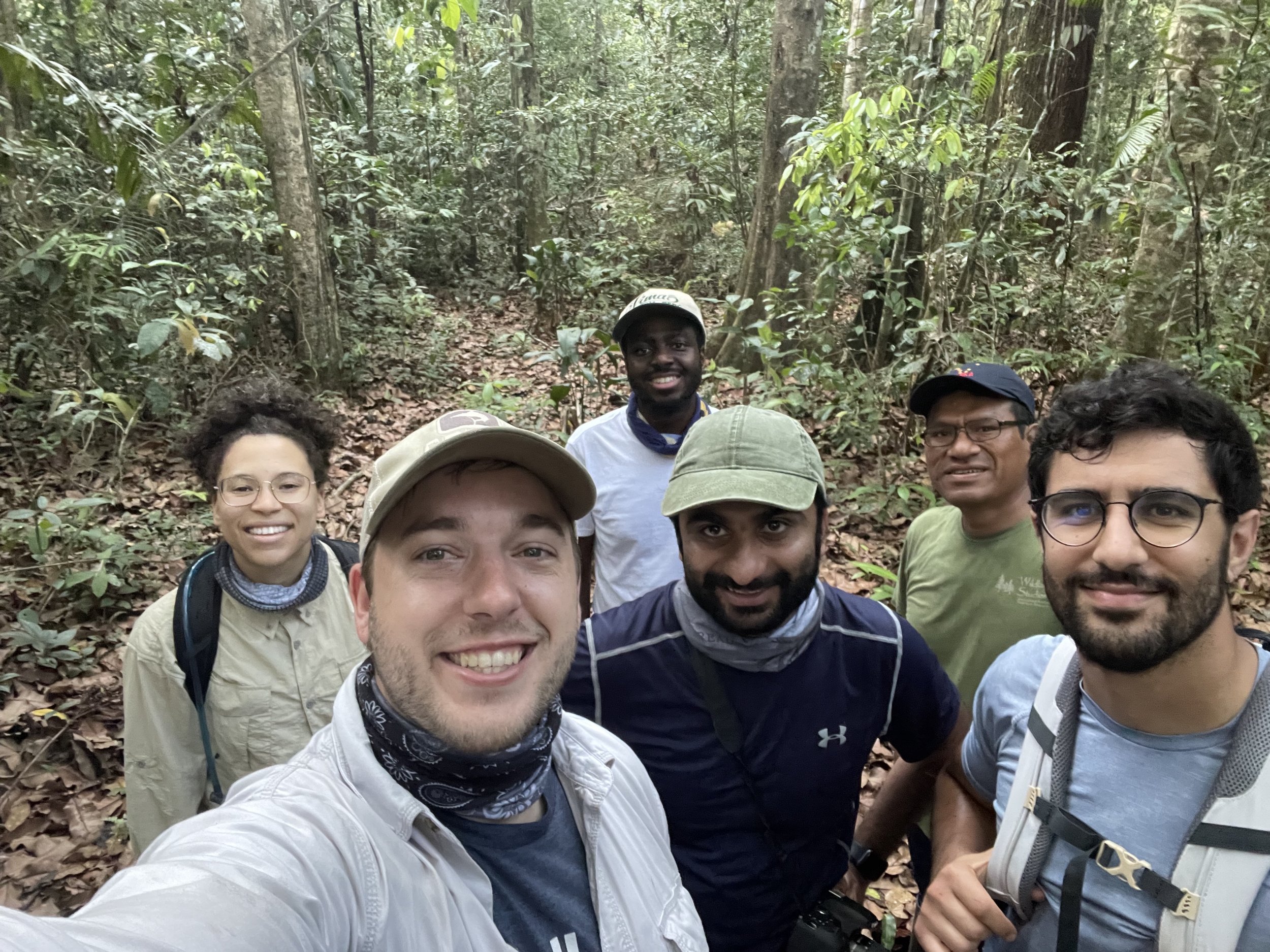

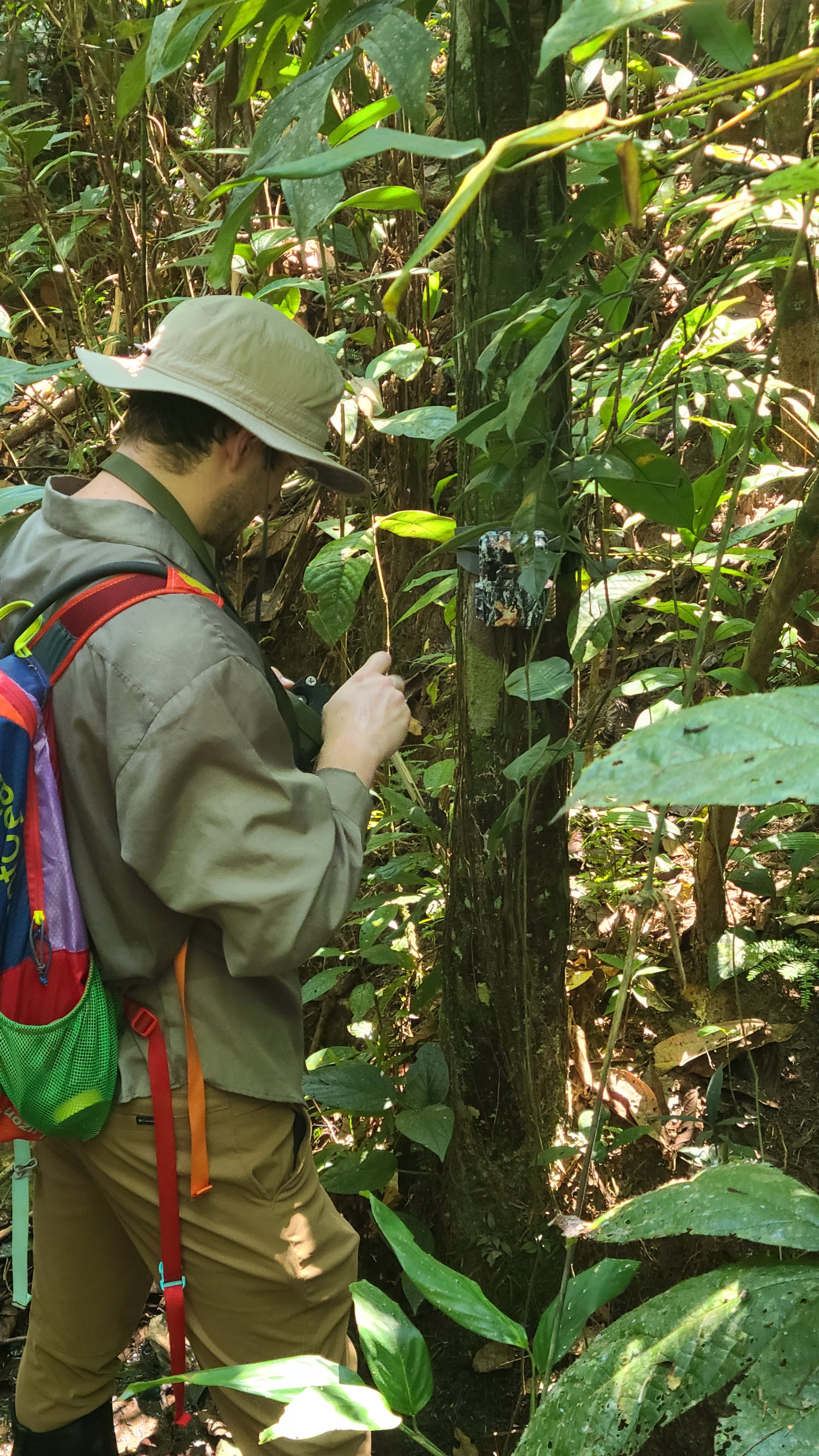










Past Participants
Chew Chai
Postdoctoral Scholar in Bioengineering
Stanford University
JBL was my first experience with field research, and upon arriving at Finca Las Piedras, I immediately found myself chasing gliding monkey grasshoppers with high-speed cameras, using a field microscope, and trying to figure out how camouflaged insects match their backgrounds. I quickly learned that in the field, things rarely work on the first try or behave quite like they do in the lab—and that animals have a mind of their own! JBL showed me how exciting science can be outside the lab, and I came home with friends and collaborators from fields I would never have crossed paths with otherwise.
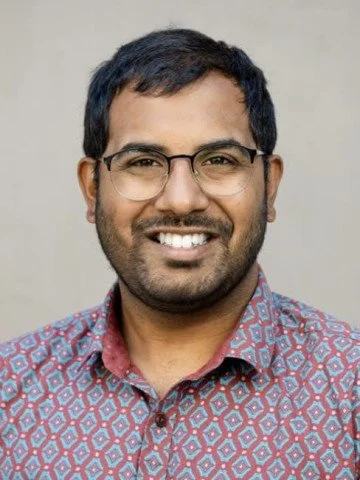
Avaneesh Narla
Assistant Professor of Integrated Sciences
Claremont McKenna College
I came to JBL as a theorist who had never done fieldwork. I spent two weeks following groups of caterpillars through the forest, filming how they move together and running small experiments on the spot. Watching the animals first, before writing down a single equation, changed how I look for problems. It is rare to get two weeks with nothing to do but look closely at nature, next to biologists, engineers and local naturalists who see the same thing completely differently. What started as a two-week field project has grown into an ongoing research collaboration that I'm still pursuing today.
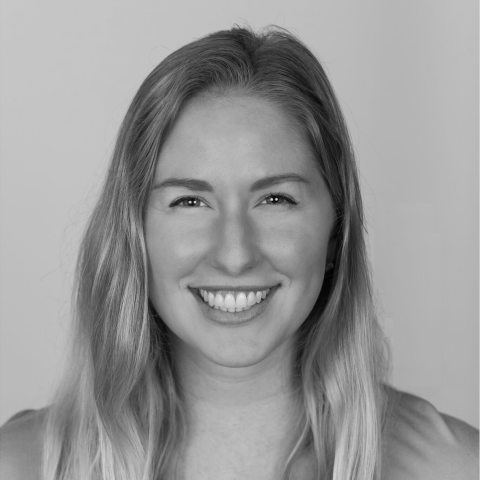
Elizabeth Clark
Research Scientist
Advanced Light Source, Berkeley Lab
I'm an imaging scientist at a particle accelerator. In contrast, at JBL, I spent my evenings in a homemade arena watching insects feed on plants. Doing science in the jungle with unreliable power, no wifi, and animals on their own schedule was a challenge that helped me become more adaptable and creative in my ability to design experiments. Meeting the other participants was one of the best parts of the program, and the collaborations I've started in Peru have only grown since coming back to the US. JBL is an incredible opportunity to be a part of a wonderful scientific community in the heart of a fascinating setting with limitless scientific questions to explore!
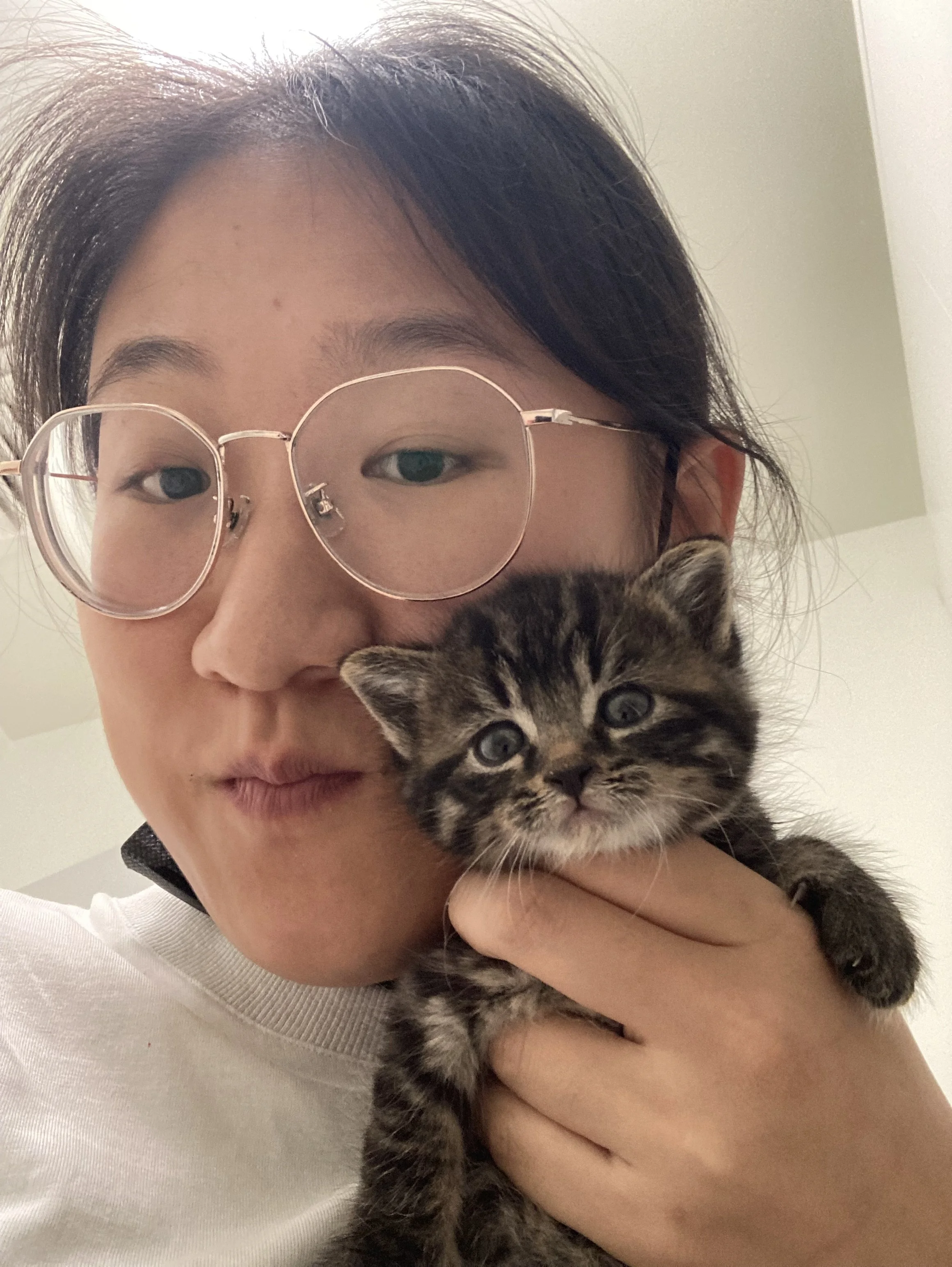
Lin Yan
Veterinary Medicine Student
University of Illinois Urbana-Champaign
Coming from a background in behavioral biology, JBL gave me the opportunity to be part of an interdisciplinary team with roboticists, physicists, and theoreticians, all bringing different insights to the same biological questions. What made JBL special was how these different backgrounds came together to turn observations in the field into compelling scientific questions, new insights, research publications and future collaborations. It was a truly unique research experience, unlike anything I had encountered before.
2026
Program paused during the Bhamla Lab's relocation from Georgia Tech to the University of Colorado Boulder.
2025
Dixie Baronofsky (Emory University), Yuriani Palomino (University of San Diego), Ian Bergerson (Georgia Tech), James Clinton (UC Santa Barbara), Deepa Rajan (UC San Francisco), Danielle Chase (CU Boulder), Melody Young (Duke University), Melanie Romina Ramos Requejo (Pontifical Catholic University of Peru), Cindy Lita Pariachi Laura (Pontifical Catholic University of Peru), Abraham Isai Zavaleta Romero (Pontifical Catholic University of Peru), and Leonarddo Carlos Lopez Solis (Pontifical Catholic University of Peru).
2024
Sophie Hanson (Duke University), Julia Teeple (CSU Fullerton), Calvin Riiska (Emory University), Lin Yan (UC Berkeley), Tristan Henderson (Mississippi State University), Tom Marzin (Princeton University), Kimberley Bowal (Harvard University), Lizbeth Badillo Aguilar (Pontifical Catholic University of Peru), and Mael Chaupis Huaman (Pontifical Catholic University of Peru).
2023
Ethan Wold (Georgia Tech), Namyi Ha (Georgia Tech), Chew Chai (Stanford University), Avaneesh Narla (Stanford University), David Stupski (University of Nevada, Reno), Elizabeth Clark (UC Berkeley), Loribeth Maricielo Bolo (Pontifical Catholic University of Peru), and Carolina Paucarhuanca (Pontifical Catholic University of Peru).